In today’s digital-first world, businesses of all sizes are finding that simply having a website isn’t enough. Mobile apps are no longer just a “nice-to-have”, they’ve become essential tools for growth, customer engagement, and staying competitive. If you’ve ever wondered whether your business really needs a mobile app, here’s a clear look at why 2025 is the year to consider investing in one. The goal of this article is to help you discover why every growing business needs a mobile app in 2025 and learn how mobile apps increase sales, boost customer engagement, and future-proof your business.
Meet Your Customers Where They Are

Most people spend more time on their smartphones than any other device (Statista, 2024). From checking emails and social media to shopping and managing finances, mobile devices are an integral part of daily life. By building a mobile app for your business, you meet your customers exactly where they are.
Take Starbucks, for example. Their app lets coffee lovers order ahead, pay, and collect loyalty points — no waiting in line, no hassle. Just a tap, and their morning coffee is ready. This kind of convenience isn’t just a perk; it’s increasingly what customers expect.
If you’re unsure whether your business truly needs a mobile app or if a web app would suffice, check out our previous post: Do You Need a Mobile App or a Web App? It will help you make the right choice.
Build Stronger Customer Relationships
A business mobile app lets you connect directly with your audience. Through push notifications, personalized offers, and in-app messaging, you can reach users instantly with relevant updates.

Sephora’s app sends customized product recommendations and exclusive promotions based on user preferences, strengthening customer loyalty and engagement. These direct interactions help turn casual users into repeat customers. You don’t need to be a global brand to do this. Even small businesses can create meaningful engagement with features like appointment reminders, order updates, or limited-time discounts. The key is to make interactions feel personal, useful, and timely — not spammy.
Provide a Smoother, Faster Experience
Websites on mobile browsers can be slow and cumbersome. Mobile apps provide a faster, smoother, and more intuitive experience. Features like saved logins, in-app payments, and personalized dashboards reduce friction and make it easier for customers to engage with your brand.
Apps like Uber show how seamless functionality leads to higher user satisfaction and convenience compared to mobile web alternatives.
Stand Out From Competitors
Having a mobile app demonstrates that your business is modern and forward-thinking. While many competitors rely solely on websites, an app shows investment in customer convenience and brand loyalty.

Food and beverage brands like Domino’s and Starbucks use their apps not only for ordering but for loyalty programs, promotions, and engagement campaigns. Even small businesses can leverage this approach — imagine a local café offering a “buy 5, get 1 free” reward through an app. Suddenly, your small shop feels as polished and convenient as a global chain.
Access Valuable Data and Insights
One of the less obvious but powerful benefits of a mobile app is the data you can collect. Apps track user preferences, behaviors, and engagement patterns. This information allows you to make smarter business decisions, optimize your offerings, and tailor marketing strategies.
Nike’s app, for example, tracks user interactions to tailor promotions and recommend products, increasing customer satisfaction and sales. Small businesses can do the same, even on a smaller scale, by analyzing what features or products customers engage with most.
Unlock New Revenue Opportunities
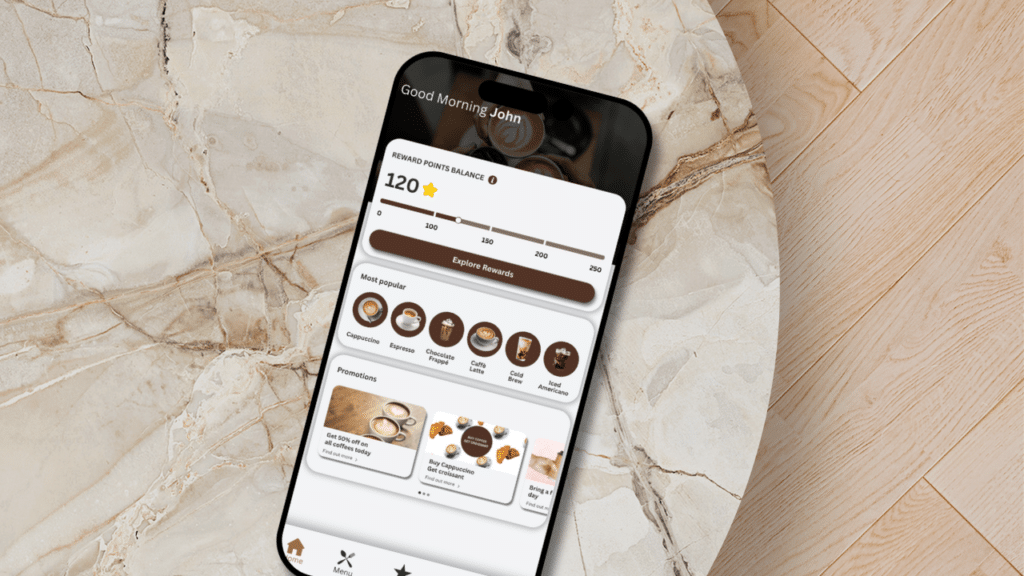
A mobile app can generate revenue through in-app purchases, subscriptions, loyalty programs, and targeted promotions. Apps also encourage repeat business with features like reminders and saved shopping carts.
Domino’s Easy Order feature is a perfect example: customers reorder their favorite meals with just a tap, driving repeat sales. Even a boutique shop could allow one-tap purchases, saving users time and increasing the chance they’ll buy again.
Future-Proof Your Business
Digital trends are evolving rapidly, and consumers increasingly expect businesses to have mobile apps that go beyond websites. Investing in a mobile app now ensures your business stays relevant, competitive, and ready for future growth.
Whether you run a coffee shop like Starbucks, a retailer like Sephora, or any other growing business, a well-designed app positions you for success in 2025 and beyond.
Final Thoughts
A mobile app for business is not just a luxury. It’s a powerful tool that helps companies connect with customers, improve experiences, and increase revenue. From personalization and convenience to data insights and competitive advantage, the benefits of mobile apps are clear.
If you want to grow your business in 2025, now is the time to explore creating a mobile app tailored to your customers’ needs and expectations.
Check out our guide on how to start building an app idea: 6 steps to launch success to turn your business idea into a real, functioning app.